
Europe's purchasing power remains largely untapped
Technical solutions for circular public procurement are widely available in Europe. However, their systematic application falls short of the possibilities.

Technical solutions for circular public procurement are widely available in Europe. However, their systematic application falls short of the possibilities.
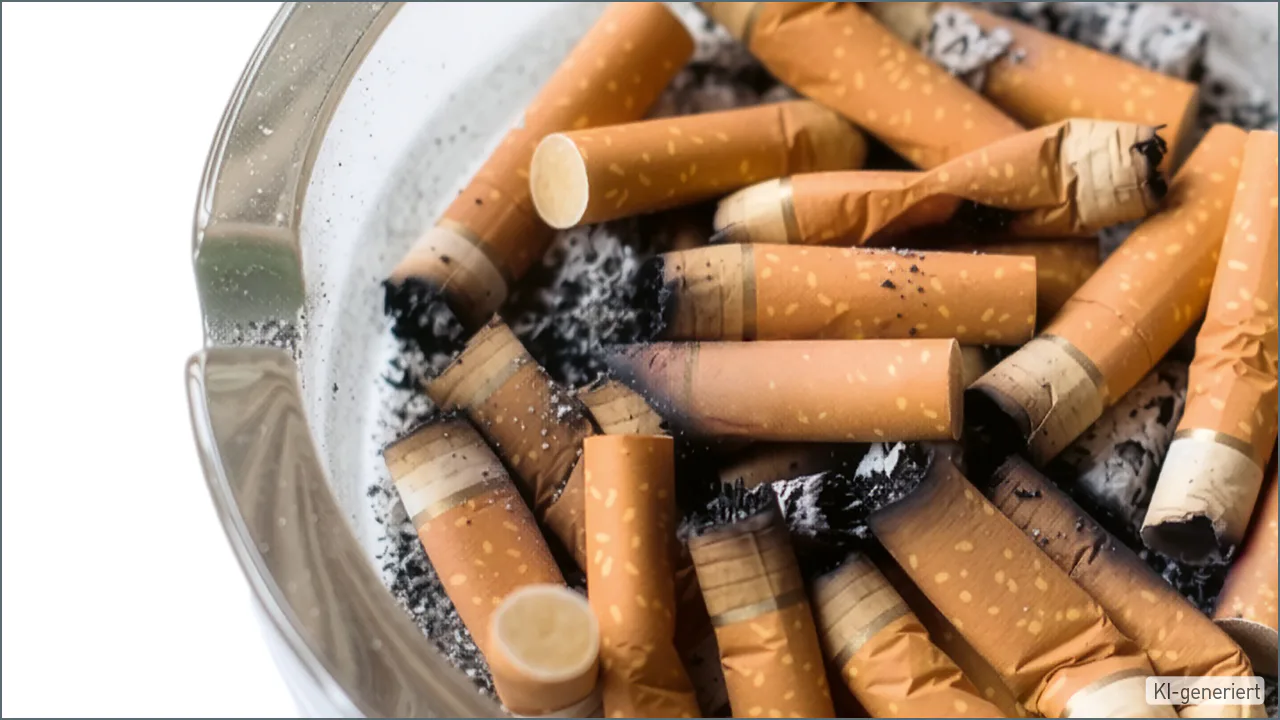
Every year, trillions of cigarette butts are carelessly disposed of worldwide. This results in an enormous plastic stream with toxic pollution that hardly anyone notices.

Technical solutions for a more efficient circular economy are already well developed in many areas. However, regulatory fragmentation and a lack of economic incentives make their widespread application difficult.

Prices of recycled commodities such as metal scrap, plastics, aggregates, paper and cardboard have dropped significantly, yet the cost of processing recyclables has remained steady or even risen due to the higher prices of fuel raw materials.

The construction sector is one of the world's largest consumers of raw materials and at the same time among the most substantial sources of greenhouse gas emissions.

The current global crisis - marked by soaring oil prices, rising energy costs and ongoing supply chain disruptions - is placing significant pressure on the plastics and recycling sector.

Nitrogen and phosphorus losses are among Europe's most pressing environmental problems.

Recycling is considered a major component of the circular economy concept. At the same time, how-ever, the actual recycling rates of many packaging streams fall short of political and social expecta-tions.

Recycling operations lose value when important decisions remain fragmented across intake, sorting, dis-mantling, inventory, resale and material recovery. AI-supported systems can help operators structure these decisions earlier, improve consistency and connect physical processing with digital workflows.

According to Eurostat, seasonally adjusted greenhouse gas emissions from the EU economy were estimated at 837 million tonnes of CO2 equivalents (CO2-eq) in the first quarter of 2026